Showing posts sorted by relevance for query nature. Sort by date Show all posts

What to Look for in a Relaxing Nature Retreat


Free A man in a sweater stands on the rocky shore of Great Salt Lake, Utah, under a clear blue sky. Stock Photo

Source


Have you ever felt overwhelmed by daily responsibilities and wished you could just step away from it all? Sometimes, the best way to reset your mind and body is by spending time in nature. A relaxing retreat surrounded by natural beauty, especially one in Utah, can be just what you need to rest, recharge, and return with a fresh perspective. But with so many choices, how do you know what really makes a nature retreat relaxing and worthwhile?

In this blog, we will share the key things to look for when choosing a nature retreat that truly allows you to unwind and enjoy peace.

Location and Natural Beauty

The setting of a nature retreat can make or break your experience. You want a location that feels far from busy roads, loud cities, and crowded tourist spots. Whether it’s the mountains, a forest, or by a lake, the natural surroundings should be calm and inviting. The more untouched and scenic the area feels, the more your mind can relax. 

A retreat in the right location lets you enjoy outdoor activities like hiking, walking, or just sitting by the water. A quiet place gives you space to reflect and breathe freely. Look for places with beautiful sunrises or star-filled skies. These small details in nature can create a calming rhythm to your day and help you feel more connected to the world around you. 

Comfortable and Inviting Accommodations

Where you stay during your retreat matters just as much as the setting. You don’t have to choose luxury, but you should look for clean, well-kept places that feel cozy and safe. A space with warm lighting, soft bedding, and a simple layout can make a big difference. Comfort helps your body relax, which is important for clearing your mind and letting go of stress. 

For example, if you’re in Utah and want to check out the Zion National Park, The Riv at Zion is a great option to stay at. It offers charming, peaceful stays surrounded by beautiful views. The right accommodation gives you a balance between simplicity and comfort. After a long hike or time spent outdoors, having a welcoming place to return to adds to the overall retreat experience.

Access to Outdoor Activities

A true nature retreat offers you more than just quiet space. It also gives you chances to explore and enjoy the outdoors. Activities like nature walks, forest hikes, kayaking, or birdwatching can help you feel connected to the environment. These slow, mindful movements are good for your physical health and mental well-being. You don’t need to push your limits—just being outside and active in a relaxed way can have great benefits.

Look for retreats that have guided hikes or simple paths to explore. Some locations might offer outdoor yoga, meditative walking trails, or garden areas where you can sit and think. The idea is not to keep yourself busy but to spend time in nature in a way that feels gentle and healing. Time outside is one of the key parts of a relaxing retreat, and easy access to these outdoor spaces will help you feel refreshed.

Good Food That Nourishes

When you’re on a retreat, what you eat plays a big role in how you feel. You want simple, healthy meals that give your body the fuel it needs. Retreats that offer fresh, local ingredients or plant-based options can help you feel light and energized. The meals should be tasty and balanced without being too rich or heavy. A relaxing retreat is not the time for fast food or rushed meals.

Many retreat locations include meals as part of the stay, and it’s worth looking into what kind of food is provided. Even if you’re cooking for yourself, having access to fresh produce or a small kitchen can make a big difference. Eating well supports your rest and helps you stay in a peaceful state throughout your stay. Sharing meals with others in a calm setting can also create a feeling of connection, which adds to the retreat experience.

Mindfulness and Wellness Activities

To fully relax and feel restored, your retreat should offer chances to focus inward. This often comes in the form of mindfulness or wellness sessions. Activities like yoga, meditation, or breathwork can help you calm your mind and feel centered. Some retreats may also offer journaling prompts, sound baths, or simple breathing exercises. These practices give you space to slow down and listen to what your body and mind need.

You don’t have to be an expert to take part. Many retreats welcome beginners and focus on easy ways to bring mindfulness into your day. A peaceful setting, paired with these activities, supports deeper relaxation. The goal is not to do everything but to find a few things that help you feel calm and balanced. When looking for a retreat, check if these wellness activities are offered and if they match what you feel drawn to try.

Opportunities for Solitude and Reflection

While some people enjoy being social, a good nature retreat gives you space to be alone, too. Having time for yourself allows you to reflect, rest, and notice how you’re really feeling. Look for retreats that have quiet spaces like reading corners, garden benches, or even private balconies. These areas let you enjoy the silence without interruption and can help you reconnect with your own thoughts.

Solitude doesn’t mean you’re lonely—it’s about giving yourself time to slow down and turn inward. If you’re always surrounded by people or noise, your mind never gets a break. A relaxing retreat values this quiet time and builds in ways for you to enjoy it. Whether it’s through journaling, sitting by a stream, or simply enjoying the view, moments of stillness are often the most powerful part of the experience.

In conclusion, a relaxing nature retreat is more than a break from your daily routine—it’s a chance to reconnect with yourself and your surroundings. The right retreat offers peaceful views, simple comfort, nourishing food, and moments of quiet reflection. It invites you to slow down and listen to your needs. While each person may seek something different, these guiding points help you choose a place where you can truly rest and feel renewed. Next time you plan time away, think about what will make you feel most at peace—and follow that feeling.


Weekend In the Woods With The Kids, Family Time

 With technology at our fingertips, it's hard to tear families away from their gadgets and get them outside. But unplugging and spending time together in nature have tons of benefits for both children and adults. So if you're looking for ideas on how to spend a fun weekend in the woods with your kids, look no further! This blog post will provide tips on everything from camping to hiking to enjoying nature crafts and also give you some great ideas for family-friendly activities that will keep everyone entertained all weekend long. So pack your bags and get ready for some outdoor fun!


1) Camping:

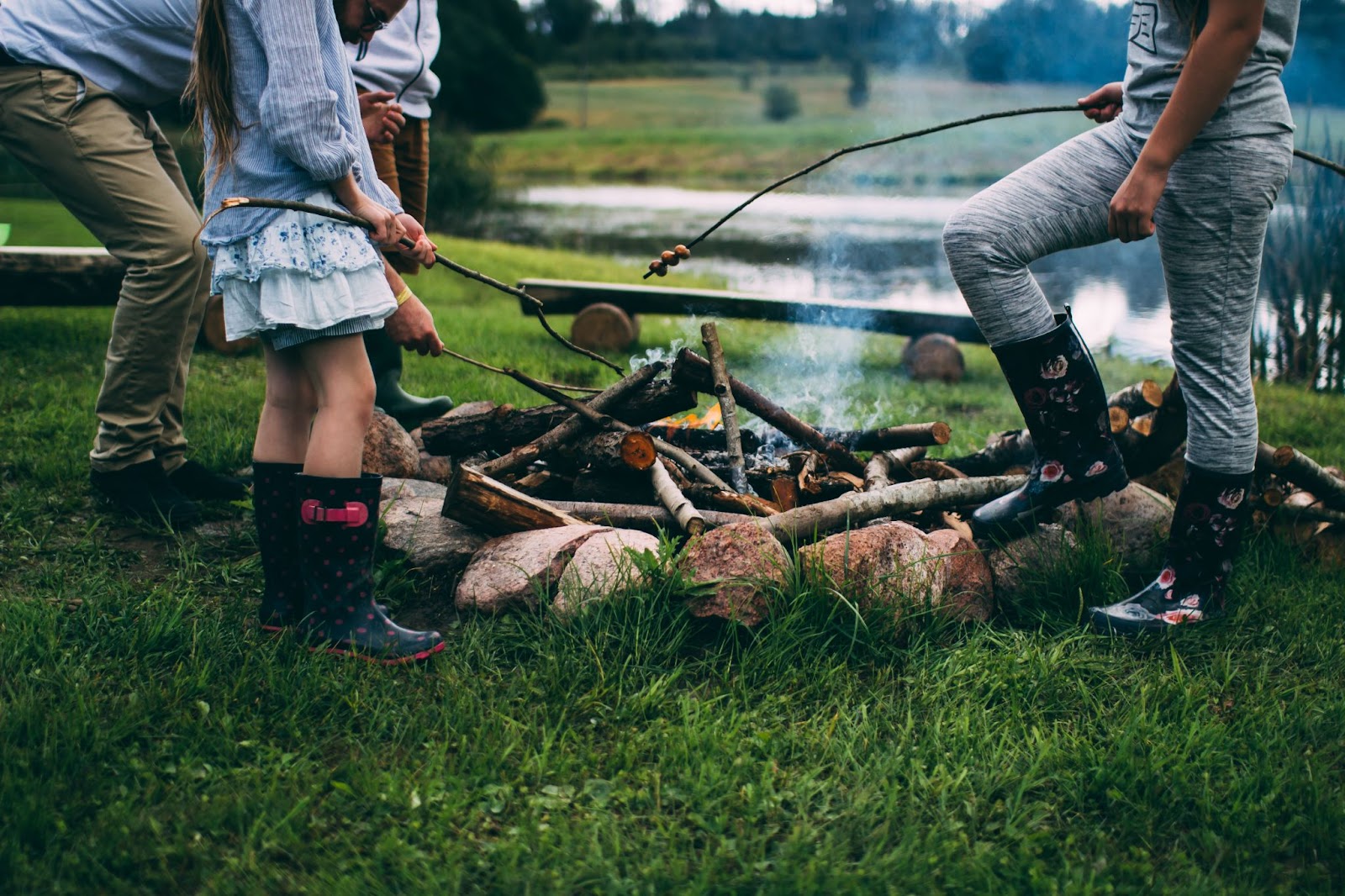
Camping is a great way to spend quality time with your family and bond with nature. It's also a fantastic way to teach kids about Leave No Trace principles and how to respect the outdoors. When camping with kids, be sure to pack plenty of activities to keep them occupied, as well as snacks and food that everyone will enjoy. And, of course, don't forget the marshmallows for roasting over the campfire!


Via Pexels

2) Hiking:

One of the best ways to explore the woods is by taking a hike together as a family. Kids will love getting out and seeing all the different plants and animals, and you can even turn it into a learning experience by teaching them about different species of trees or birds along the way. If your kids are young, be sure to bring along a carrier or pack so they can take a break when needed. And always remember to pack plenty of water and snacks!


3) Nature Crafts:

Another great way to spend time in the woods with your kids is by doing some nature crafts together. There are tons of different ideas out there, but some of our favourites include making leaf rubbings, painting with rocks, and creating woodland creature puppets out of sticks and leaves. These activities not only get kids interacting with nature, but they'll also have a blast being creative and using their imaginations.


4) Picnicking:

What could be more perfect than enjoying a lovely picnic lunch surrounded by nature? Pack up some sandwiches, snacks, and that easy mashed potatoes recipe with cold meats and drinks and head out to a nearby park or forest. Let the kids run around and explore while you relax and enjoy the scenery. And don't forget to save some room for dessert!


5) Geocaching:

Geocaching is a great way to combine spending time outdoors with a bit of friendly competition. Families can search for hidden "caches" that contain treasures using GPS coordinates. It's a perfect activity for kids of all ages and a great way to explore new areas.


In conclusion, there are tons of great ways to spend a weekend in the woods with your kids. Whether you're camping, hiking, picnicking, or doing nature crafts, your family is sure to have a blast spending time together outdoors. And who knows, you might even find that you all enjoy it so much that you want to make it a regular weekend activity!


Making Time for Outdoor Recreation in a Busy Life


Image Credit: Unsplash

The constant tug of work emails, family commitments, and daily chores can make finding time for yourself feel like an impossible dream. When every hour seems accounted for, squeezing in some outdoor fun often falls to the bottom of the list. But getting back to nature isn't just a nice way to pass the time; it's a powerful tool for managing stress and boosting your overall quality of life. And making it happen, even with a jam-packed schedule, is probably easier than you think.

Prioritizing Personal Well-being

The first step to getting more outdoor time is all in your head: you've got to start seeing it as a must-do, not a nice-to-have. We book doctor's appointments, work meetings, and oil changes because we know they're crucial for keeping things running smoothly. Your mental and physical health deserves that same level of priority. Permitting yourself to step away from your obligations to hike a trail, sit by a lake, or just walk in a park is a real investment in your own well-being. This shift in how you think makes it much easier to protect that time on your calendar from all the demands that try to sneak in.

Scheduling Adventure Blocks

Don’t wait for free time to appear. Schedule outdoor activities around your week, starting with manageable options such as a 30-minute walk or an hour-long bike ride.

Once it becomes a routine, plan bigger adventures. Set aside a Saturday for a longer hike or a weekend for camping. Adding these activities to your calendar makes them easier to prioritise and follow through on.

Choosing Efficient Getaways

When time is limited, choose outdoor activities that require less planning. A local park with clear trails can be easier than a remote wilderness trip. Guided or all-inclusive experiences can also handle the logistics for you. For a structured adventure, a trip with an outfitter such as SandFork Texas Hog Hunting Ranch can cover lodging, activities, and locations, allowing you to focus on enjoying the experience.

The Mental Benefits of Nature

Spending time outside does more than just get you moving; it really changes your mental state. Studies consistently show that being in nature can reduce stress, lift your mood, and make you feel calmer. Just being among trees and listening to natural sounds can actually lower your cortisol levels, which is the hormone linked to stress.

These mental health benefits of spending time in nature are available to everyone, no matter how intense the activity. You don't need to climb a mountain to feel the benefits. A quiet stroll through a city park or a few hours spent gardening can give you a significant mental reset, helping you get back to your daily tasks feeling more focused and refreshed.

Finding Your Outdoor Passion

"Outdoor recreation" covers a huge range of activities, and part of the fun is figuring out what you truly love. If intense physical challenges aren't your thing, you don't have to force yourself into trail running or rock climbing. Your outdoor passion could be something as peaceful as bird watching, taking landscape photos, or fishing. Maybe you'd enjoy kayaking on a calm lake or learning to identify local plants.

The trick is to try different things until you find something that feels less like a chore and more like a treat. Don't be shy about trying something new. Check out local clubs or community groups that offer beginner classes. Learning how to find an outdoor hobby that fits your personality is a journey of self-discovery that can spark a lifelong passion.

Finding a way to fit the outdoors into your busy life is a powerful act of self-care, much like a yearly nature retreat. It helps you unplug from the digital noise and reconnect with yourself. Start small, schedule it like it's important, and give yourself the gift of fresh air.


7 Fun Activities Parents and Kids Can Do Together for Keeping Minds Sharp


Image credit


While boredom is okay sometimes for you and your kid, sometimes being entertained to the point it’s mind-numbing (like watching TV) is okay, too. But when it comes to activities, when you both have free time, it’s beneficial to try and do things that sharpen the mind, things that really just tease it! But what better way than to do things together? But what exactly? Well, here are some ideas you should definitely try together!

Exploring the Great Outdoors

First up, let’s talk about nature! There’s nothing quite like the great outdoors to stimulate our brains. It doesn’t matter too much what it is actually, it can be a hike through the woods, a walk in the park, or a day at the beach, being outside offers endless opportunities for mental engagement.

But how? Well, just think about it: when you’re out in nature, your senses are bombarded with new sights, sounds, and smells. This sensory overload forces your brain to process and adapt to the new environment, which is great for cognitive health. For the kids, it’s a chance to explore, ask questions, and learn about the world around them.

It depends on the age of your child, but ideally you should try turning your nature outings into mini-adventures. Maybe it’s a scavenger hunt where you look for different plants, animals, or insects. Or perhaps a simple game of I Spy. These activities are not only fun but also help sharpen observational skills and encourage curiosity. It’s mostly for them, but as a parent, it can still help you too.

Of course, your adventures can go a lot further than simply walking, biking, or hiking. If you want to explore nature in all of its beauty and to really experience the wilds together, camping is a great way to do it. Finding your local RV camps can help you experience all that nature has to offer, but still have enough creature comforts that it’s not taking your kids too far out of their comfort zone just yet.

Cooking Up a Storm

Who doesn’t love a good meal, right? For the most part, cooking with your kids can be a fantastic way to engage both their minds and yours. But how exactly can this help? Well, there are the measuring ingredients for following recipes, and cooking is a practical application of math and reading skills. Plus, it’s a great way to teach your kids about nutrition and healthy eating habits.

For the most part, if you’re cooking from scratch, it’ll be a good idea to involve your little ones in the entire process – from planning the meal to shopping for ingredients and finally, cooking. It helps create a good association with cooking, your brain needs to be active and it teaches them as well. You could even make it a fun challenge by trying out new recipes from different cuisines (ideal for getting them to be less picky with food).

Playing Video Games Together

Okay, so now, let’s talk about something that might surprise some of you – playing video games! Yup, you heard that right. Video games can be a fantastic way to keep both your mind and your kid’s mind sharp.

It really depends on the video game itself, but most games require strategic thinking, problem-solving, and quick decision-making. Even something like Mario Kart can be fairly stimulating to the mind. However, overall, most games often involve complex narratives and characters, which can improve memory and comprehension skills. Plus, playing together gives you a chance to bond with your kids over something they love.

Technically, you don’t always need to play games together, like the same game at the same time; you can even watch them play. For example, if you have a computer or even a tablet, you can watch them play games that they can play alone, such as Solitaire or a crossword puzzle, and just see how well they do (and in your mind, you can make moves or suggest moves).

Now, this is just an example, but overall, you need to choose games that are actually going to provide value to them and, of course, something age-appropriate too. The goal is for both of you to be entertained, but again, the game shouldn’t be mind-numbing; there needs to be some thought in the process, too.

You Can’t Go Wrong with Card and Tabletop Games

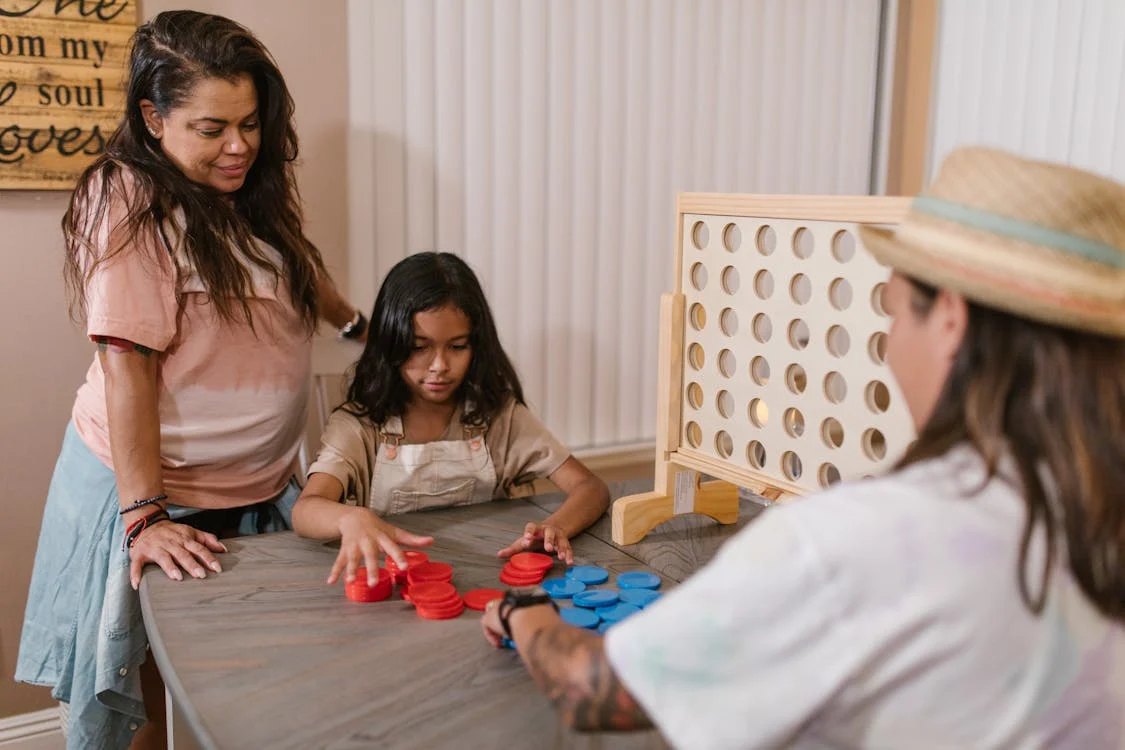
We went over video games above, but you just can’t beat the classics either! So, card games and tabletop games are timeless ways to engage your brain. Games like chess, checkers, Jenga, and Scrabble are fantastic for developing strategic thinking and vocabulary skills. Of course, you need to pick something that’s age-appropriate for your kid, but that shouldn’t be hard; for example, it’s pretty common to get preschool-aged children in Go Fish.

Getting Crafty with Arts and Crafts

It’s never a bad idea to get those creative juices flowing! Honestly, you can’t go wrong with this because arts and crafts are fantastic for engaging the brain and encouraging creativity. Basically, it can be painting, drawing, sculpting, or even simple coloring, these activities can be incredibly therapeutic and mentally stimulating.

Puzzles and Brain Teasers

Who doesn’t love a good puzzle? Puzzles and brain teasers are excellent for keeping our minds sharp. They challenge our problem-solving skills, improve memory, and enhance spatial reasoning. For kids, puzzles are a great way to develop cognitive skills in a fun and engaging way. For parents, they’re a wonderful way to relax and unwind while still giving your brain a workout. Plus, working on a puzzle together is a great bonding experience.

So video games were mentioned earlier, but there’s other types of puzzles you both can do together, technically Legos could be considered a puzzle, especially if you buy one of those comprehensive Legos like the Orient Express, Titanic, or basically anything else that’s more on a grand scale.

Reading Together

There’s something magical about getting lost in a good book. As you might already know, reading together is not only a wonderful way to bond but also a fantastic way to keep your minds sharp, it depends on the book itself, but for the most part, you can expect that this will improve vocabulary, comprehension, and critical thinking skills.

But ideally, it’s best to start making reading a part of your daily routine. This could be something like bedtime stories for the little ones or a family book club for the older kids, find books that everyone enjoys. If you want to try, you could even take turns reading aloud and discuss the stories together. Ask questions, make predictions, and dive deep into the characters and plot.


8 Tips For Your Next Family Camping Trip

 Preparing a camping trip can feel like a lot of effort at times, but planning your first family camping trip can be extremely stressful.


Photo by Daiga Ellaby on Unsplash


There's a lot riding on the first trip because there's a fear that if your kids don't take to camping right away, they'll never learn to love it the way you do. But the key is to keep things simple and understand that camping is supposed to be enjoyable! Some people find that adventure camps with ziplining and water sports are better for entertainment purposes but as long as you are all together, that’s what counts, right? This is going to be a family trip to remember!


Whether you choose a site up in the mountains or you choose a site opposite the water, you should pick a campsite that fits what you want to get from your vacation. You and your family deserve the very best from your trip so choosing the location has to be the first thing you do before you determine which activities come next.


The following are the top ideas for making your family's first camping vacation a success.


Find A Well-Known Or Accessible Campground

The purpose of your first family camping trip is to just have fun. You'll have lots of opportunities to improve your camping skills later in life, but your children will only want to if they like camping.


Consider a well-established campground with plenty of amenities for your first vacation. Keep things easy the first time because your children may need time to adjust to going to the restroom outside or purifying their own water.


Look for a campground with actual facilities and water pumps. A picnic table and grate over the fire would also be nice. For example, you may want to consider taking a road trip and staying at an RV park that has various amenities to enjoy and scenic views to offer. It’s a spot where you can go to relax, explore, and meet new people. It’s also a chance to branch out and visit new locations around the country without having to get on an airplane.


Learning to sleep in the great outdoors takes practice, so your kids may feel safer if you camp in a campground where they can sleep to the sounds of others conversing in surrounding tents or make friends with kids their age.

Get Your Kids Involved In Planning

One of the most crucial aspects of camping is planning, and proper planning usually gives more time for fun when you're really camping.


The purpose of your first family camping vacation is to teach your children to enjoy nature while unplugging from many of the world's distractions. However, one of the most beneficial side effects of camping is learning the value of planning and the responsibility that comes with taking holidays.


Planning a camping trip does not always have to be a pain; it should be enjoyable and entertaining. For example, inquire about what your children hope to gain from the trip.


If you're camping near a lake, perhaps they're looking forward to swimming or fishing; if so, tell them how crucial it is to remember their swimsuit, innertube, or fishing rod.


Including your children in the planning process is a terrific learning opportunity as well as a way to gain a better sense of how you can make this vacation something they'll genuinely love.

Create A Packing List

A packing list is an important aspect of the preparation process. If you've ever tented before, you understand the frustration of realizing you've forgotten something at home and will have to go without it.


If you've camped a million times, you may already know everything you need, but you can always double-check packing lists.


Packing lists help you remember everything before you leave, which is important for both your safety and your enjoyment (don't forget the deck of cards)! Try to get your children to complete their own packing as part of the planning process. Add things like EcoGearFX, campsite games, and other essentials. 


Encourage kids to make packing lists, and then go over what could be missing and why that item is needed. For example, if kids forget to include socks on their list, you might talk about how sad they'll be if they don't have an extra pair and step in a puddle.


Consider Your Comfort
While the heart of camping is about getting close to nature, there’s nothing wrong with embracing a bit of comfort. Whether it’s packing a favorite pillow from home or opting for an air mattress instead of sleeping pads, small touches of coziness can make a big difference, particularly for younger kids who are adjusting to life outside the norm. If traditional tent camping feels like a leap, staying at one of the many RV parks can offer a perfect balance. These spots often provide modern amenities while still keeping your family immersed in the great outdoors, making them a smart choice for easing into the camping lifestyle.  

Make Food Over A Campfire

What is the first thing that comes to mind for most people when they think of camping? Of course, s'mores! Lean into the excitement and novelty of camping by preparing foods that your children will come to love and identify with outdoor family camping adventures.


A fire can be used to cook a variety of foods other than hot dogs on sticks. Consider bringing veggies to grill over the grate, such as corn. Camping is an excellent opportunity to break out your cast iron pan and prepare some one-pot dishes.


Allow your children to request some of their favorite dishes ahead of time and see if you can create them over a campfire. Whatever campfire cuisine you choose, sitting around a fire and eating is a typical camping experience that the whole family will love.

Plan Activities

Making family camping excursions enjoyable and memorable requires careful planning of activities. There should be enough structure to keep the days moving and your kids from becoming bored, but also enough flexibility for them to enjoy their environment and find something meaningful to them about camping.


Before you travel, talk to your children about it. Inquire about how they want to spend all their time and what they are most looking forward to. Make an effort to accept their own preferences and give them the opportunity to connect with nature in their own unique way. 

Split the Chores

No degree of planning ahead of time will eliminate all of the duties associated with camping; there will still be food to prepare, dishes to wash, tents to erect, and so on.


To get your kids involved without exhausting them, divide the duties so that they only have to complete a couple each day. Vacations are a time to be free of usual household tasks, but camping still requires some effort, which is best split across the group.

Last Words On The Best Family Camping Trip

Camping is a great family pastime, and the goal of your first family camping trip is to inculcate in your children a love of nature and camping under the stars.


Try to involve your children as much as possible in the planning process, and urge them to help shape the vacation into what they want it to be.


Bring games and organize activities that everybody will like so that your children will want to go on future camping trips.


If you follow the advice above, your first family camping trip will be a success!


Have you been on a family camping trip before? What tips would you add to this list? Please add some of these in the comments below. 


Corked Stamped Corn Craft


More Than Just Brushes: The Fun and Learning of Painting with Unconventional Tools

Painting is a beloved activity for kids, but it can sometimes feel limited to just brushes and paint palettes. Here's a secret: there's a whole world of creative exploration waiting to be discovered with everyday objects like wine corks! In fact, incorporating unconventional tools like corks into your child's next art project can be both fun and educational.

This is such a fun project for little ones, and the results are simply stunning. You will love adding this cork stamped corn art to your refrigerator.


Why Unconventional Tools?

  • Sensory Play: Wine corks provide a unique texture for little hands to explore. The cork's bumpy surface creates interesting marks on the paper, adding a new dimension to sensory play, which is crucial for early childhood development.

  • Fine Motor Skills: Grasping and maneuvering a cork requires focus and hand-eye coordination. This strengthens the small muscles in the hand and wrist, which are vital for tasks like writing and buttoning clothes.

  • Problem-Solving: Using a non-traditional tool like a cork encourages kids to think outside the box. They'll experiment with different ways to hold the cork, apply pressure, and achieve desired effects on the paper.

  • Creativity Boost: Stepping away from the standard brush opens the door to a world of artistic possibilities. Kids can create unique textures, patterns, and shapes with the cork, fostering their creativity and imagination.


The Case for the Corked Indian Corn

Your corked stamped Indian corn craft is a perfect example of the magic of unconventional tools. It combines the classic appeal of a seasonal craft with the exciting exploration of using a cork for stamping. This project allows kids to:

  • Learn About Nature: Indian corn, with its vibrant colors and unique shapes, can spark conversations about nature and harvest traditions.

  • Practice Colors: Painting the corn provides an opportunity to explore different colors and how they mix together.

  • Develop Pattern Recognition: The repetitive stamping with the cork creates a pattern, helping kids develop basic pattern recognition skills.


Supplies:

Paint in red, orange, yellow, green and brown colors.

A paper plate

A cork

Paper


Directions
Pour a quarter size dab of paint in each color onto a paper plate.
Using a cork, begin to shape the green husk of the corn. To make it easy
for little ones, you could ask them to stamp the shape of a U onto the paper. 


Now, ask the artists to begin stamping, using one color at a time, to fill in the ear of corn. Ask your artist to use each color several times.


Allow to dry and display.


Beyond the Cork:

Wine corks are just the tip of the iceberg! There are endless possibilities when it comes to unconventional painting tools. Here are a few ideas to get you started:

  • Nature's Paintbrushes: Use leaves, pinecones, or even feathers to create unique textures and shapes.
  • Kitchen Creativity: Spoons, forks, and even rubber spatulas can be transformed into fun painting tools.
  • Recycled Fun: Give plastic bottles, cardboard tubes, or even bubble wrap a new life as creative painting tools.

So next time you're planning a painting activity with your kids, ditch the traditional brushes and explore the world of unconventional tools. You might be surprised at the fun, learning, and creativity that unfolds!


Find more cool crafts for kids here:

Hungry Caterpillar Process Art

Cork and Button Apple Trees

Sunflower Stamped Apples


Probably Jakarta has more than Bali...explore it

What comes to your mind when you think of Indonesia? It is Bali, right? But instead of it why don't you fly into Jakarta this 2020 and see what it has? After all, it is the capital city of Indonesia and has a more lively life than Bali. 

Here are few most visited places where you can bring back your life after boring lock down and quarantine. 

The National Monument:

This 132 meters iconic landmark is where you can kick start your journey to explore Jakarta. Constructed in honor of independence struggle you can just enjoy the amazing view of architecture from the ground itself or move to the top to see how beautiful and vivid the city is. It has untold importance in the hearts of locals and is the most visited spot not only by tourists but also the Indonesians. The best way to capture the visiting memories of this place is by visiting it at night to see its beauty magnified by lights. 

Istiqlal Mosque:

This marble wonder was built in 1978 and is the biggest mosque across Southeast Asia. Your Indonesia trip isn’t complete without paying a visit to this beautiful holy place. It can accommodate 200,000 people at a time and has an astonishing courtyard with decorative minarets and designer marble. The interiors of it with attractive Islamic designs are another wonder. The design and architecture are what that makes this mosque unique. 

Merdeka Square:

Spread in more than 1 KM it’s a perfect respite after your tiresome Jakarta exploration. Just go there and relax for some time and see the magic it brings to your mind. In case you have been to Tiananmen Square, Beijing and gotten that peace of mind then for sure you will also enjoy this place. You will get 5 times more than what you got in Beijing as it is 5 times bigger to Tiananmen Square.

Filled with footpaths, wooded areas and remarkable water spots probably you need more time and a comfortable shoe pair to walk around and explore this splendid hangout. It is also the best hangout to spend some time with your soul mate. 

Thousand Islands:

Your perfect escapade from the fast-paced life and it is usually something different to what you see in the mainland city that’s always happening. Situated on the city’s north coast these islands are places to stay close to nature. You have marvelous forests, serene golden beaches, yummy restaurants and more importantly lush greenery. Here, nature provides you with the chance to dip in the sunshine and relax to your heart. All nature lovers, photography freaks and trekkers don't miss this place.
Taman Mini Indonesia Park:

You need not read books or roam about the whole of Indonesia to know the culture and history of the land just visit this park and your cultural tour is finished. It is spread in 250 acres and gives you complete Indonesian tradition and heritage in on ego. It has IMAX theater, a detailed replica of the country’s archipelago, a cable car for you to roam and a conventional theater with one event or the other. 

So, with all these what more does one need. 

Ancol Dreamland: 

Irrespective of your age this is your theme park to visit. A visit here is a must when you are moving with kids. It has bowling arena, Ocean Dream Samudra, Fantasy World, Water Adventure Park, lot many roller coaster rides, beaches and aquarium. Apart from all these attractions it also gives you a chance to escape the harsh humid climate of the country as long as you are here. 

National Museum of Indonesia:

Close to Merdeka Square, this museum is the place where you have the chance to see historic exhibits. It has an incredible compilation of artifacts which present a detailed view of the country’s cultural lineage and history. If exploring history is your choice then this is a must-visit. While the Hindu-Buddhist architecture of the museum will mesmerize you the treasure room with breathtaking golden objects will astonish you. You also have a collection of prehistoric objects, ancient ceramics and weapons to stare at.  

To wind up your Jakarta visit, finish it with a visit to Jakarta Chinatown to explore Chinese traditions and culture in Indonesia. A visit to this place is like seeing Indonesia and China at once.