Showing posts sorted by date for query cookie. Sort by relevance Show all posts

The Best Macaron Recipes

 Elegant, colorful, and irresistibly delicious, macarons are the crown jewel of French patisserie. These delicate sandwich cookies—crisp on the outside, chewy in the center, and filled with everything from buttercream to ganache—have captured hearts (and taste buds) around the world. But behind their beautiful shells lies a baking process that demands precision, patience, and a little pastry magic.


The origins of the macaron date back to 8th-century Italy, but it was the French—especially the Parisian bakery Ladurée—who refined the version we know and love today. Over the centuries, these once-simple almond meringue cookies have evolved into the vibrant, flavor-packed treats perfect for holidays, tea parties, or just a luxurious afternoon pick-me-up.

If you’ve ever tried baking macarons and ended up with cracked tops, hollow shells, or lopsided cookies, you’re not alone. Don’t let that intimidate you! In this post, I’ve gathered some of my favorite macaron recipes—along with essential tips for macaron success—so you can achieve bakery-worthy results right at home.

Top Tips for Baking Perfect Macarons

1. Weigh Your Ingredients

Use a kitchen scale to measure your almond flour, powdered sugar, and egg whites. Macarons are sensitive to even small deviations, so accuracy is key.

2. Use Aged Egg Whites

Let your egg whites sit in the fridge for 1–3 days before using them. This reduces moisture and helps achieve stiff, stable peaks when whipping.

3. Sift Your Dry Ingredients

Sift almond flour and powdered sugar at least once, ideally twice. This ensures a smooth shell and avoids lumps in your batter.

4. Master the Macaronage

Macaronage is the technique of folding the meringue into the dry ingredients. Fold gently until the batter flows off the spatula like lava—thick but able to settle into itself within 10–15 seconds.

5. Use a Template

Pipe your macarons onto a silicone baking mat or parchment paper with a printed template underneath to ensure even sizes.

6. Rest Before Baking

Once piped, let your macarons sit at room temperature for 30–60 minutes (or until the tops are dry to the touch). This creates the essential “feet” when baking.

7. Control Oven Temperature

Every oven is different. Start testing at 300°F (150°C), but use an oven thermometer to verify accuracy. Rotate the pan halfway through baking for even heat.

8. Don’t Skip the Tap

After piping, tap the tray on the counter a few times to release air bubbles. Use a toothpick to pop any visible ones to avoid cracked tops.

9. Cool Completely Before Removing

Macaron shells are delicate! Let them cool fully on the tray before removing or they might stick or break.

10. Mature the Macarons

After filling, refrigerate your macarons for 24–48 hours. This aging process allows the flavors to meld and the texture to improve—chewy, soft, and perfect.

On to the recipes!

S’mores Macarons by Broken Oven Baking

Raspberry Jam Filled Macarons  by All We Eat

Blueberry Macarons by Salt and Spoon

Tie Dye Macarons by Homebody Eats


Valentine’s Day Macarons by This Mama Loves

Almond Joy Macarons by Ruffles and Rain Boots

Vegan Macarons by Baked by Chlo

Almond Flour Macarons by Spatula Desserts


Donut Macarons by Meals by Molly

Salted Caramel Macarons by Britney Breaks Bread

Champagne Macarons by Barley and Sage

Keto Macarons by Wholesome Yum

Cookie Butter Macarons by Barley and Sage

Pistachio Macarons by House of Nash Eats

Strawberry Macarons by State of Dinner

Mastering macarons may take a few tries, but once you get the hang of it, it’s incredibly rewarding. Remember: measure by weight, age your egg whites if needed, and always let your piped macarons rest before baking to form that signature skin. A little care and attention go a long way toward perfect shells.

Whether you prefer classic flavors like vanilla and raspberry or something more adventurous like matcha or salted caramel, these recipes offer something for every palate. Happy baking—and don’t forget to share your macaron creations with someone who deserves a sweet treat!

Let me know in the comments which flavor you're trying first or if you’ve discovered your own perfect macaron technique. Bon appétit!

Maple Brown Sugar Cookies

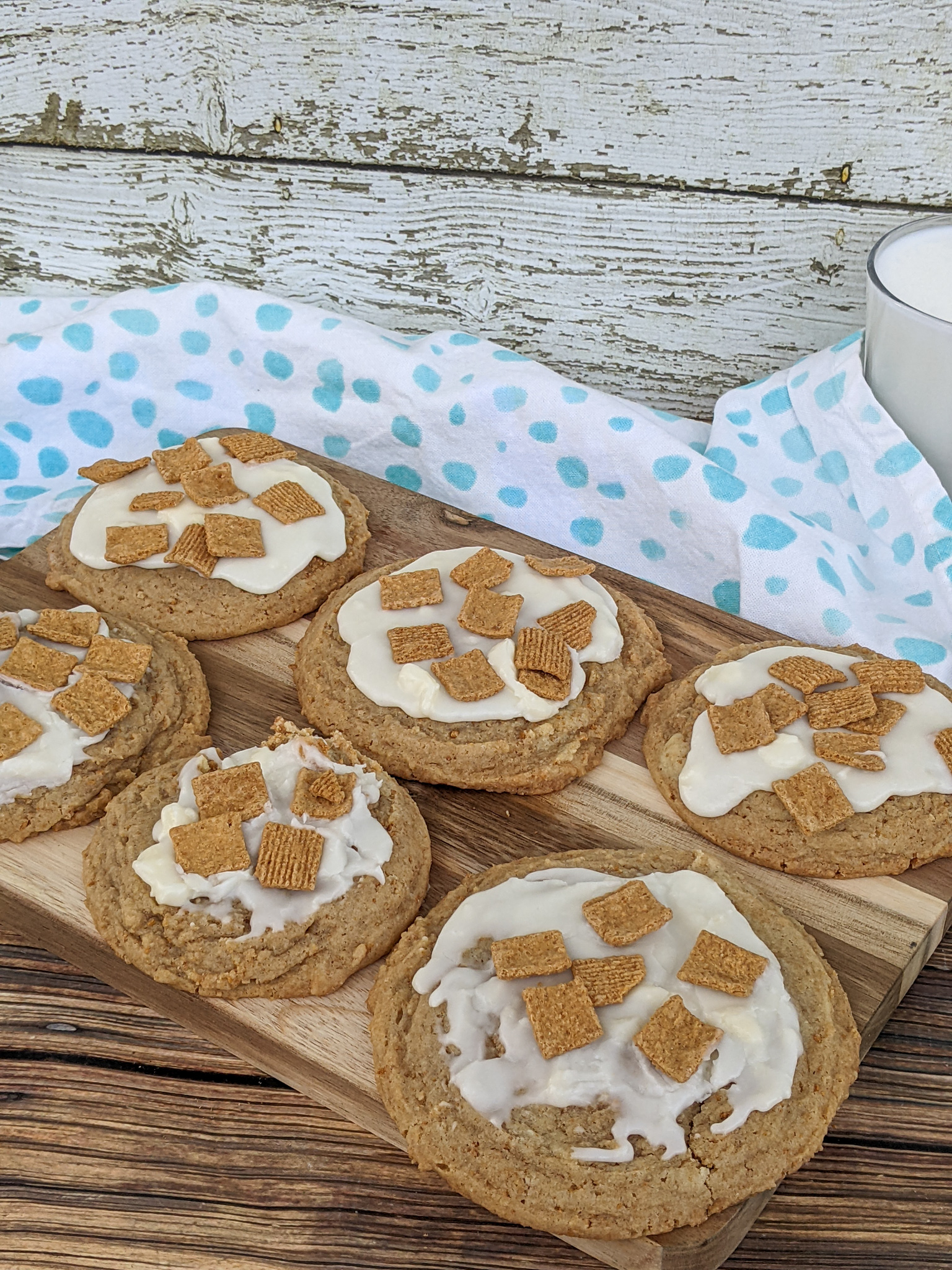
Copycat Crumbl Golden Graham Cookies

Chocolate Covered Cherry Cookies

Brown Sugar Sugar Cookies

Cake Mix Peanut Butter Chocolate Cookies

Cream Cheese Sugar Cookie Bars

Mint Chocolate Chip S'mores

Find more favorite cookie recipes here:


Oatmeal Chocolate Chip Cookie Bars

My go to recipe for a sweet treat is oatmeal chocolate chip bars! My family loves them and they are so easy I can whip them up in under an hour. I keep a few in the freezer to pull out for emergency dessert on a long day, just in case the cookie jar is empty!


I love oatmeal. It is one of those foods I didn't develop an appreciation for until I was in my 40's. Now I love it for breakfast like this brown sugar overnight oatmeal recipe. I use it in sensory activities with the kids and of course, I make snacks like oatmeal chocolate chip bars with it!


You will love this recipe because it is made with simple ingredients you likely have in your pantry, and it is so easy!


Oatmeal Chocolate Chip Blondies

Makes 16 servings


½ c melted butter, cooled 

½ c light brown sugar, packed

¼ c granulated sugar

1 egg

1 tsp vanilla

½ tsp baking soda

½ tsp baking powder

¾ c flour

1 c old fashioned oats

1 c chocolate chips


Directions:

Line an 8x8 pan with parchment paper.

Preheat the oven to 350.

Add brown sugar, granulated sugar and melted butter to a large mixing bowl.

Mix until smooth.

Add egg and vanilla and mix until evenly combined.

Add baking soda and baking powder to the batter.

Add flour and oatmeal, mix until well combined.

Add chocolate chips and stir until mixed throughout the batter.

Pour the batter into the parchment lined pan.

Bake for 28-30 minutes, or until the edges are golden brown, be careful not to overbake or the cookies will be very chewy.

Allow to cool before cutting.

Make 4 cuts across the blondies and turn, then make 4 more cuts.

Makes 16 servings. 

You can wrap these in parchment and place in a freezer bag and freeze to enjoy later.


Find more favorite recipes here:

3 Ingredient Biscuits

Maple Brown Sugar Cookies

Homemade Coleslaw Dressing

Peanut Butter Chicken and Noodles

Loaded Baked Potato Soup

Big Batch Chocolate Chip Cookies Without Butter

Big Batch Chocolate Chip Cookies (No Butter!): A Perfect Treat for Any Occasion

Chocolate chip cookies are a timeless favorite, but what if you’re out of butter or looking for a different twist? These big batch chocolate chip cookies swap out butter for Crisco, resulting in a cookie that’s soft, chewy, and perfect for sharing. Whether you’re baking for a crowd or just want to stock up on homemade treats, this recipe delivers delicious results every time.


Why Use Crisco Instead of Butter?

Crisco, or vegetable shortening, has been a baking staple for generations. Unlike butter, it creates a cookie that stays soft for longer while giving it a slightly crisp edge. It also helps maintain a consistent texture, making it a great choice for large batches. Plus, since it’s dairy-free, it’s an excellent option for those avoiding dairy products.

The Benefits of a Big Batch Recipe

Making a big batch of chocolate chip cookies means you’ll always have enough to share. Whether you’re baking for a party, a bake sale, or just filling the cookie jar for your family, having plenty of cookies on hand is never a bad thing. These cookies store well and can even be frozen for later enjoyment.


Perfect for Any Occasion

Soft, chewy, and packed with chocolate chips, these cookies are ideal for every situation. Pair them with a glass of milk, take them to a gathering, or simply enjoy them as a sweet treat any time of day. The Crisco ensures they stay fresh and delicious for days, making them a go-to recipe for busy bakers.

So, if you’re looking for a chocolate chip cookie recipe that’s easy, delicious, and perfect for big batches, give these no-butter cookies a try. You might just find a new favorite way to bake this classic treat!


 Big Batch Butter Less Chocolate Chip Cookies

Makes 50 cookies


Ingredients

2 cups of shortening

4 room temperature eggs

2 cups of dark brown sugar, packed

1 cup granulated sugar

3 teaspoons of pure vanilla extract

5 ½ cups of flour

1 teaspoon of salt

2 teaspoons of baking soda

3 ½ cups of chocolate chips


Directions:

Preheat your oven to 350 degrees.

Line several cookie sheets with parchment paper.

In the bowl of your stand mixer, combine the shortening and both white and brown sugar.

Mix on medium speed for one minute.

Add the eggs and vanilla to the mixing bowl, mix on medium speed until well combined.

Remove the bowl from the stand.

Add the flour, baking soda and salt and mix by hand until all ingredients are blended.

Add the chocolate chips and stir by hand.

Scoop out dough with a 2 tablespoon cookie scoop, or you can do this by hand if needed.

Place the cookies about 3” apart on a cookie sheet.

Bake for 8-10 minutes or until the edges are light golden brown and the tops look just a little shiny.

Allow the cookies to cool on the cookie sheet for 5 minutes before moving them to a cooling rack.

Store at room temperature for 4 days or in the freezer for 4 months.


Find more great recipes here:

Chocolate Espresso Cookies

Foolproof Biscuits

Homemade Coleslaw Dressing

Peanut  Butter Instant Pot Noodles


Cinnamon Maple Blondies Recipe

Looking for a delicious and easy dessert recipe? Look no further than these Cinnamon Maple Blondies! These chewy, sweet treats are perfect for any occasion. Whether you're looking for a quick snack or a dessert to impress your guests, these blondies are sure to please. 


Tips for the Best Cinnamon Maple Blondies

  • Use quality ingredients: Using high-quality ingredients will make a big difference in the flavor of your blondies.
  • Don't overmix the batter: Overmixing the batter can result in tough blondies. Mix just until the dry ingredients are incorporated.
  • Let them cool completely: Letting the blondies cool completely before cutting will help them hold their shape.
  • Store leftovers: Store leftover blondies in an airtight container at room temperature for up to 3 days.


Cinnamon Maple Blondies

Makes 16 blondies


Ingredients:

½ c melted salted butter, cooled 

½ c dark brown sugar

½ c granulated white sugar

2 eggs, room temperature

1 tbsp maple extract

1 c flour

¼ tsp baking soda


Topping:

1 tsp cinnamon

¼ c granulated sugar


Icing:

1 tbsp milk

¾ c powdered sugar

1 tsp maple extract

1 tbsp softened butter


Directions:

Line an 8x8 baking dish with parchment paper.

Preheat the oven to 350.

Combine melted, cooled butter with brown and granulated sugar. 


Stir until well combined.

Add eggs and mix well.

Add baking soda and flour and stir until there are no clumps of flour.


Pour into your prepared pan.

Mix the cinnamon and sugar topping and sprinkle over the top of the batter.

Bake for 35 to 40 minutes or until the edges are golden brown and the center is still a little doughy.

Remove from the oven and allow to cool for 45 minutes to an hour.


Mix your glaze ingredients together and beat with a whisk.

The glaze will be runny; drizzle it over the top of the blondies and allow to set for 15-30 minutes.


Remove the parchment paper from the pan and make four cuts then turn the paper and cut four more times to make 16 squares.


These stay fresh in a cookie jar for 2 days, or you can store them in the fridge for up to 5 days.


Enjoy your delicious Cinnamon Maple Blondies!

Get more great dessert recipes here:

Tasty Homemade Donut Recipes

Brown Sugar Cookies

Chocolate Covered Cherry Cookies

Foolproof Biscuits

Promoting Healthier Eating Habits in Kids: A Guide for Moms


Image source

Getting your kids to eat right can feel like an impossible mission, especially when you’re juggling a busy schedule. Between work, chores, and the never-ending to-do list, finding time to prepare healthy meals might seem overwhelming. It’s tempting to grab takeout or rely on packaged snacks, but these quick fixes often come with added sugars, unhealthy fats, and preservatives.

You don’t want all that for your children or even yourself, right? Encouraging healthy eating habits doesn’t have to be difficult. With a few smart strategies, you can ensure your kids enjoy nutritious meals without adding stress to your day. 

Here are some practical tips that will enable you to help your kids develop a lifelong love for healthy food.

Make Healthy Eating Convenient

One of the easiest ways to promote healthier eating is by making nutritious choices more accessible. When kids are hungry, they reach for whatever is quick and easy. If processed snacks are the only option, that’s what they’ll eat. Keep fruits, vegetables, nuts, and yogurt readily available, and don’t keep unhealthy snacks at home.

Instead of hiding healthy foods in the fridge, make them visible and appealing. Pre-wash and cut fruits so they are ready to grab. Place small containers of hummus or nut butter next to carrot sticks or apple slices. When healthy snacks are just as easy to grab as chips or cookies, kids are more likely to choose them.

Reduce Eating Out by Making Their Favorite Foods at Home

Fast food is tempting, especially on busy days, but it’s not the best option for growing kids. Even meals that seem relatively healthy can be packed with unnecessary fats, sodium, and preservatives. The good news is that you don’t have to deny your kids their favorite foods—you just have to make them at home.

Take a grilled chicken sandwich, for example. Instead of relying on a drive-thru, you can prepare a healthier version in your own kitchen. All you need are boneless, skinless chicken breasts, Italian dressing, lemon juice, Worcestershire sauce, and some basic seasonings. Marinate the chicken for at least 30 minutes, then grill it for about five to seven minutes on each side. Serve it on a whole wheat bun with lettuce and tomato for a meal that’s just as delicious but much healthier than the fast-food version.

When you make meals at home, you control the ingredients. You can use whole grains instead of refined ones, reduce unhealthy oils, and avoid excess salt and sugar. Not only does this make meals healthier, but it also helps kids develop a taste for fresh, home-cooked food instead of processed alternatives.

Make Mealtime a Family Event

Kids are more likely to eat nutritious food when they see their parents doing the same. Making mealtime a family event creates positive associations with food and encourages better eating habits. When everyone sits together at the table, it’s easier to focus on the meal rather than distractions like television or devices.

Sharing meals as a family isn’t just about food; it’s about connection. Talking about your day, laughing, and enjoying each other’s company make mealtime something to look forward to. It also allows you to introduce new foods in a comfortable setting. When kids see the rest of the family enjoying a variety of foods, they are more willing to try them.

Get Your Kids Involved in the Kitchen

Kids will enjoy eating what they helped cook. Letting them help in the kitchen gives them a sense of control over their food choices and makes them excited about eating. Even young children can participate by washing vegetables, stirring ingredients, or assembling simple dishes.

Take a trip to the grocery store and let your kids pick out a new fruit or vegetable to try. When they feel involved in the decision-making process, they are more likely to be open to trying new foods. 

Involving kids in meal preparation makes healthy eating feel fun and rewarding rather than something they are forced to do. Over time, this builds confidence in the kitchen and encourages lifelong healthy habits.

Sneak in Nutrition Without the Battle

If your child refuses to eat vegetables, you’re not alone. Many kids are picky eaters, but there are ways to add nutrition without them even noticing. One simple trick is blending vegetables into sauces, soups, and smoothies. Carrots, spinach, and zucchini can be mixed into pasta sauce, while bananas and berries easily mask the taste of greens in a smoothie.

Swapping less nutritious ingredients for healthier ones also makes a difference. Using whole wheat bread instead of white bread or Greek yogurt instead of mayonnaise can add more nutrients without changing the taste too much.

Rather than forcing kids to eat certain foods, find ways to incorporate them naturally into meals they already enjoy. 

Make Healthy Foods Fun and Appealing

Kids are naturally drawn to foods that look fun and colorful. If a plate is dull and uninviting, they might turn their noses up at it, even if it’s delicious. Making healthy meals visually appealing can encourage them to try new foods without resistance.

One simple way to do this is by using different shapes and colors. Cut fruits into fun shapes using cookie cutters or arrange vegetables in a rainbow pattern on their plate. A bowl of mixed berries or a salad with bright red tomatoes, orange carrots, and green cucumbers can be more enticing than a plain plate of food.

Presentation matters, especially with younger children, so a little creativity can go a long way in making healthy food more exciting.

Avoid Using Food as a Reward or Punishment

Many parents use food as a way to reward good behavior or withhold it as a form of discipline. While this might seem effective in the short term, it can create an unhealthy relationship with food. When kids associate sweets with being “good” or vegetables with being a punishment, they develop negative attitudes toward certain foods.

Instead of using food as a reward, try non-food incentives like extra playtime, a fun activity, or a sticker chart for younger kids. This shifts the focus away from emotional eating and encourages healthy habits without attaching moral value to food.


Helping kids develop healthy eating habits is not about eliminating treats or forcing them to eat foods they dislike. It’s about creating a balanced approach to nutrition that feels natural and enjoyable. Small changes can have a big impact, and over time, healthy eating will become a normal part of their lives. The key is consistency, patience, and a positive attitude toward food.